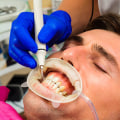
Dental anxiety is common and can make routine oral healthcare feel stressful or overwhelming. Some people may feel nervous about dental instruments, sounds, potential discomfort, injections, or previous negative experiences. Others may experience anxiety simply because they are uncertain about what will happen during an appointment. When these concerns lead someone to postpone cleanings, examinations, or necessary treatment, oral health problems can become more difficult to manage. Recognizing dental anxiety as a legitimate concern can be an important first step toward addressing it. Rather than feeling embarrassed about nervousness, patients can communicate their concerns with their dental team and work together to create a more comfortable and predictable experience.
Building Trust With Dental Professionals
A positive relationship with a dental provider can make it easier to manage anxiety and maintain regular care. Patients may benefit from discussing their concerns before treatment begins and asking the dental professional to explain procedures in clear, simple terms. Establishing a signal to pause treatment can also give patients a greater sense of control during an appointment. Dentists and hygienists can often adjust their approach based on individual comfort levels, such as taking breaks or explaining each step before proceeding. Feeling heard and respected can reduce uncertainty and help patients become more confident about attending future appointments. Over time, consistent and supportive interactions may make dental visits feel less intimidating.
Developing Consistent Oral Health Habits
Regular oral hygiene can help reduce the likelihood of dental problems that may require more extensive treatment. Brushing twice a day with fluoride toothpaste, cleaning between the teeth, limiting frequent sugary foods and drinks, and attending recommended dental examinations can all support healthier teeth and gums. For individuals who experience dental anxiety, maintaining these habits can provide a greater sense of control over oral health. Small, manageable routines may also feel less overwhelming than trying to make several major changes at once. Patients can work with their dental professionals to identify practical habits that fit their schedules and address specific oral health needs.
Addressing the Emotional Side of Dental Care
Dental anxiety can involve more than nervousness about a particular procedure. It may be connected to previous experiences, fear of judgment, embarrassment about oral health, or a broader pattern of anxiety. When these feelings significantly interfere with dental care, addressing the emotional component may be helpful. Psychological support can provide individuals with strategies for understanding anxious thoughts, practicing relaxation techniques, and developing healthier responses to stressful situations. For individuals who need additional emotional support, Cabot Psychological Services Minneapolis may be a resource to consider as part of a broader approach to psychological well-being. Professional support can complement dental care by addressing concerns that may otherwise make regular treatment difficult.
Creating a Sustainable Approach to Oral Wellness
Managing dental anxiety is often an ongoing process rather than something that disappears after a single appointment. Patients can gradually build confidence by maintaining regular oral hygiene, communicating openly with dental professionals, and taking manageable steps toward consistent care. Relaxation techniques, controlled breathing, distraction, and scheduling appointments at comfortable times may also help some individuals prepare for visits. Most importantly, avoiding dental care because of anxiety can allow minor concerns to develop into more complicated problems. A compassionate, personalized approach can make it easier to stay engaged with oral healthcare. By combining supportive dental relationships, consistent home care, realistic goals, and appropriate psychological strategies, individuals can work toward healthier teeth and gums while gradually developing greater confidence and comfort with professional dental care.